
Some Food Prices Are Rising: Updated Guide to Grocery Costs
Qwenews.com – Some food prices are rising across the United States as consumers navigate a complex economic landscape shaped by pandemic-era disruptions, inflation, and trade policy changes. While the dramatic surge in egg prices that captured headlines in 2025 has moderated this year, shoppers are finding that other essential items continue to climb in cost. CNN’s ongoing tracking of grocery prices reveals that while some volatility remains, the broader trend suggests food prices have largely stabilized after years of sharp increases.
Egg Prices: From Record Highs to Recovery
The most visible example of recent food price volatility involves eggs. After reaching unprecedented levels in 2025, driven by avian flu outbreaks and supply chain disruptions, egg prices have begun to decline. However, consumers should note that costs remain higher than pre-pandemic levels. The sharp spike in egg prices became a symbol of broader inflationary pressures affecting American households, prompting many families to adjust their shopping habits and seek alternatives.
Government economists monitor these trends closely through the Consumer Price Index, which measures price changes for a basket of goods and services. The egg price data represents just one component of a much larger picture showing how food costs have evolved over time.
Other Grocery Items Seeing Price Increases
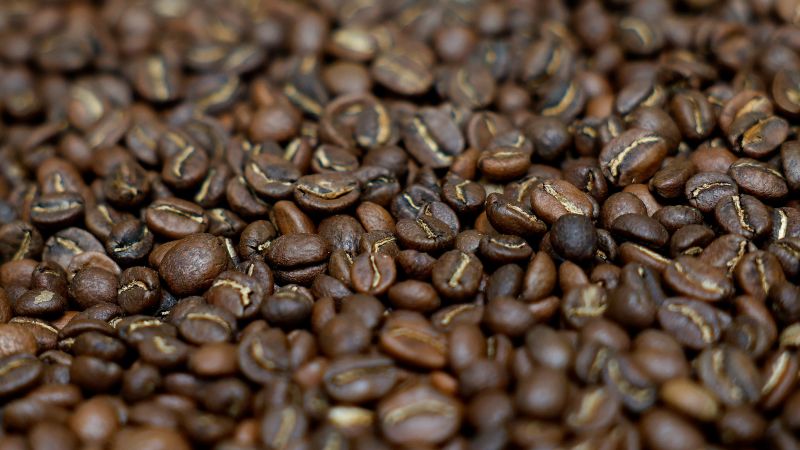
Beyond eggs, several other common grocery items have experienced notable price growth. Steak and ground beef have become more expensive, reflecting both higher production costs and increased demand. Coffee prices have also climbed, influenced by global supply conditions and currency fluctuations. These items, while not experiencing the dramatic swings seen in eggs, contribute to the overall burden on household budgets.
President Donald Trump’s global tariff rollout last year has emerged as another significant factor driving up prices for various household foods. These trade policies have affected import costs, which in turn influence retail prices for consumers. The cumulative effect of tariffs, combined with other economic pressures, has created a challenging environment for grocery shoppers.
Understanding the Inflation Picture
For context, government economists also track inflation specifically for foods Americans eat at home. This measure, a subset of the broader Consumer Price Index, provides a clearer view of price trends across all grocery products. The data shows that food inflation overall has come down significantly since the Covid-19 peak, with more recent rates closer to historical norms. This stabilization offers some relief to consumers who endured years of rapid price increases.
The graphics on CNN’s tracking page will automatically update as new data becomes available each month, ensuring readers have access to the most current information. This real-time approach helps consumers make informed decisions about their purchasing patterns.
“The overall trend shows food prices have largely stabilized,” according to CNN’s monthly tracking of kitchen-table staples. “While some products could remain volatile, the broader picture suggests relief for American households.”
What Consumers Should Know
As the economy continues to adjust, understanding which food categories are experiencing price growth can help families plan their budgets more effectively. While some items like eggs have seen significant corrections, others continue to rise at moderate rates. The combination of pandemic effects, tariff policies, and global market conditions has created a multifaceted pricing environment that is likely to persist in some form.
CNN’s monthly tracking provides a reliable resource for consumers wanting to stay informed about these changes. By monitoring trends over time, shoppers can identify patterns and anticipate potential price movements in their favorite grocery items.
Frequently Asked Questions
Why are some food prices rising again?
Food prices are rising due to a combination of factors including President Donald Trump’s global tariff rollout, ongoing supply chain adjustments, and persistent demand for certain products. While egg prices have declined from their 2025 peak, items like steak, ground beef, and coffee continue to see increases.
How do egg prices compare to previous years?
Egg prices have come down from their 2025 high but remain elevated compared to pre-pandemic levels. The sharp spike was driven by avian flu and supply disruptions, and while recovery has begun, costs have not fully returned to earlier benchmarks.
When will food prices stabilize completely?
According to government economists tracking the Consumer Price Index, food inflation has already come down significantly since the Covid-19 peak. More recent rates are closer to historical norms, suggesting gradual stabilization, though some volatility may persist for certain products.
How often does CNN update its food price tracking?
CNN tracks price trends for various kitchen-table staples each month. The graphics on the tracking page automatically update as new data becomes available, ensuring consumers have access to the most current information about grocery price movements.