
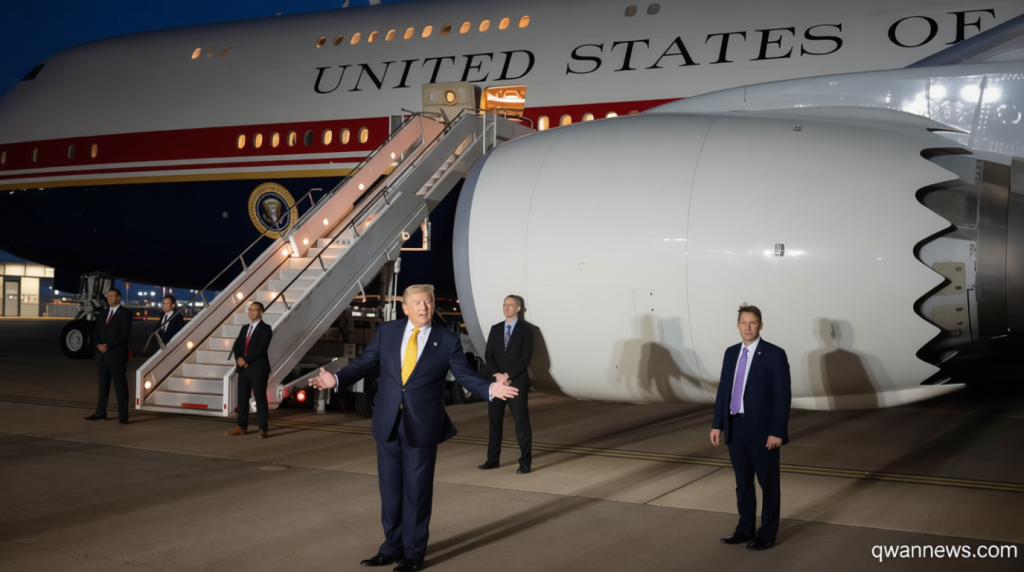
DOJ Withdraws Subpoenas Against New York Times Reporters
Qwenews.com – Trump s DOJ says it will withdraw subpoenas that were compelling New York Times reporters to testify about anonymous sources in a high-profile case involving President Donald Trump’s claims regarding a Qatari-gifted Air Force One jet. The federal government announced its decision on Thursday at the conclusion of a hearing in the Southern District of New York, where Judge Arun Subramanian questioned federal prosecutors about “inadvertent errors” they acknowledged making when filing for the subpoenas. “The government is prepared to unilaterally withdraw the subpoenas at this time,” Sean Buckley, chief counsel to the US attorney, informed Subramanian during the proceedings. This development marks a significant moment in the ongoing legal battle between the Justice Department and the news media.
Legal Challenges and Government Overreach
It remains unclear whether the Justice Department will reissue the subpoenas at a later date. “Targeting reporters to appease the White House has reached a dead end once again in the federal courts,” Reporters Committee president Bruce D. Brown stated in response to the announcement. “Judge Subramanian saw DOJ’s effort clearly for what it was: a brazen and careless government overreach.” Earlier this month, the reporters received the subpoenas referencing “an alleged violation of federal criminal law” just two days after publishing an article reporting that government officials had security concerns about the Qatari-gifted plane. The reporting contradicted President Trump, who had claimed that the Qatari-gifted plane was flown ahead to England’s Mildenhall Air Force Base to give US service members “a chance to tour the aircraft.” Privately, Trump seethed over the reporting on the plane’s security deficiencies, CNN later reported. The Justice Department opened a leak investigation within hours, taking aggressive steps to identify the officials who spoke with the Times.
Some officials were asked to turn over their cell phones at the White House, sources familiar with the matter told CNN. Some of the subpoenas — which are court orders compelling a person to testify — were delivered by FBI agents at the reporters’ homes. The paper publicized the legal threat right away and aggressively fought back, calling the subpoenas a “bad faith effort to harass and intimidate” the news media. Trump s DOJ says it will now step back from this confrontational approach, though the implications for press freedom remain significant.
“Journalists should not have to choose between protecting confidential sources and facing government threats,” said Adam Steinbaugh, senior attorney at the Foundation for Individual Rights and Expression. “A free press depends on reporters being able to pursue the truth, and on sources being able to share information the public has a right to know.”
In a court filing, the government said the subpoenas were related to a “national security investigation.” Foundation for Individual Rights and Expression senior attorney Adam Steinbaugh said the withdrawal of the subpoenas is a welcome reversal, “but withdrawing the subpoenas does not erase the chilling effect of issuing them in the first place, and the DOJ should not reissue the subpoenas.” Steinbaugh emphasized that this case highlights broader concerns about government pressure on the press. This is a developing story and will be updated as new information becomes available.
The outcome of this case could set important precedents for how the Justice Department handles investigations involving media organizations. Legal experts suggest that the judge’s skepticism toward the government’s position may influence future subpoena disputes. Reporters and journalists across the country are watching closely to see whether the DOJ maintains its decision or pursues alternative legal strategies. The situation demonstrates the ongoing tension between national security investigations and press freedom in the modern era.