
The Pentagon avoids questions as the US war with Iran escalates
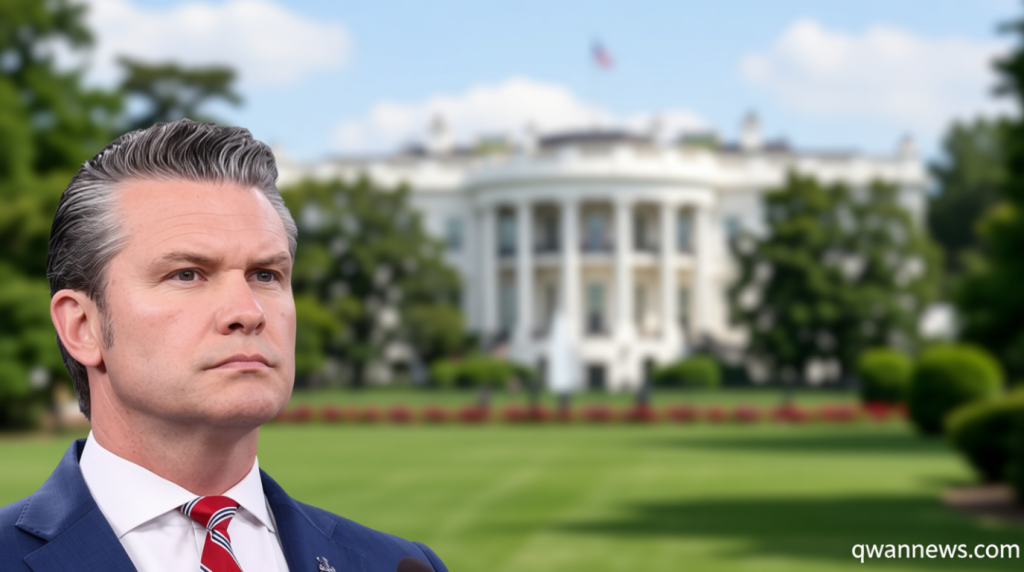
Qwenews.com – A version of this article first appeared in CNN’s Reliable Sources newsletter. Sign up for free here. Public demand for clarity has grown amid the US conflict with Iran, yet the Department of Defense has remained silent for over two months. Defense Secretary Pete Hegseth has not addressed the military strategy behind recent air strikes or the circumstances of service member casualties in Jordan and Iraq. This silence signals a deliberate effort to limit information sharing and deflect scrutiny over the escalating war.
Past practices vs. current strategy
Pentagon press briefings were once a routine feature in major conflicts, with officials regularly engaging journalists to explain operations. However, this practice has faded under Hegseth’s leadership. He has clashed with media outlets, including his former employer Fox News, and pushed reporters out of the Pentagon complex. The result is a significant reduction in open communication, with critics arguing that transparency has taken a backseat to control.
Anonymous sources take center stage
Reporters now depend heavily on unnamed officials for updates, a trend Hegseth has reportedly sought to combat. Last week, he announced a task force aimed at identifying and prosecuting leaks. “The climate of caution has worsened since his task force launched with DOJ support,” said a military reporter, who requested anonymity. “Sources fear retaliation for speaking to journalists.” Most details about recent strikes and casualties have come from these anonymous channels, raising concerns about the administration’s information-sharing practices.
“The Trump administration has failed to disclose how the Iran war has drained US supplies of critical, costly weapons, and how Iran retained and rebuilt substantial missile capabilities.”
Media outlets report with limited data
The New York Times highlighted the Pentagon’s lack of transparency, noting that earlier strikes in Jordan were not publicly disclosed. Similarly, The Washington Post cited an anonymous official who warned about the US’s limited resources for sustained operations. “We do not have enough to safely sustain operations, and I don’t think the White House is aware of that,” the official said. This revelation underscores the gap between military realities and public awareness.
Trump’s rhetoric vs. operational challenges
Meanwhile, President Trump has continued to assert US dominance over Iran, using phrases like “obliterated” repeatedly to describe the enemy’s military capabilities. A clip of Fox News’ Maria Bartiromo circulated online, where she questioned how Iran could still act aggressively after being “obliterated.” Progressive critics mocked this as a sign of the administration’s disconnect between its messaging and the actual situation. Hegseth, too, has remained low-key, sharing only brief CENTCOM updates via social media rather than detailed briefings.
A new era of communication
Analysts argue that the current approach reflects a broader shift in how the government handles wartime reporting. “From its initial shots, this war has been under-explained by the administration,” noted CNN’s Stephen Collinson. The absence of comprehensive briefings has left the public reliant on fragmented updates, fueling uncertainty and skepticism about the war’s progress and cost.