
How to Breathe Better in Smoky Air: Essential Strategies for Respiratory Health
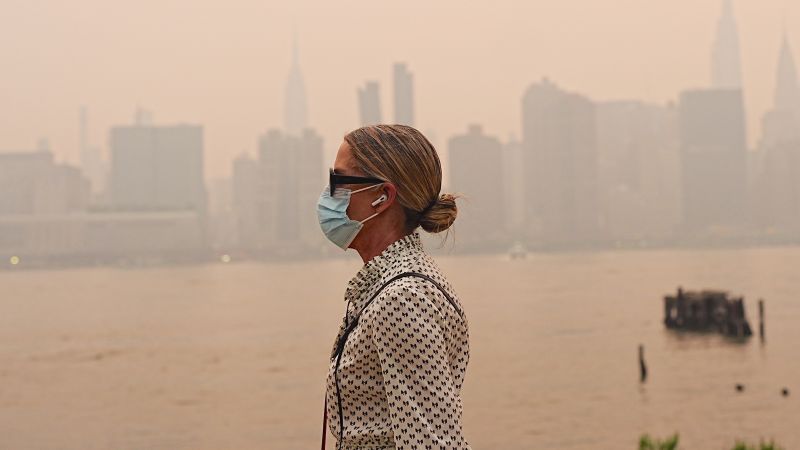
Qwenews.com – When wildfire smoke blankets the air, understanding what you need to breathe becomes crucial for maintaining wellness. The current smoky conditions, fueled by hundreds of Canadian wildfires and additional blazes in northern Minnesota, have led to hazardous air quality in millions of American and Canadian households. As experts warn that prolonged exposure can worsen health, adopting proactive measures to improve breathing is vital. Whether you’re indoors or outdoors, ensuring clean air through smart strategies can significantly reduce the risk of respiratory strain and long-term damage.
Understanding the Dangers of Wildfire Smoke
Wildfire smoke is more than just a visual annoyance—it’s a complex mixture of gases and microscopic particles that can infiltrate the lungs and bloodstream. Among these, PM2.5 particles are particularly concerning. These ultrafine pollutants, smaller than a human hair, are especially harmful because they can bypass the body’s natural defenses and settle deep in the respiratory tract. According to the U.S. Environmental Protection Agency, PM2.5 exposure is linked to increased risks of asthma, bronchitis, and even heart disease, especially for vulnerable populations like children, the elderly, and those with preexisting conditions.
“Even without lung issues, what you need to breathe is often compromised during wildfire seasons,” said Dr. Rubabin Tooba, a pulmonologist at Northwestern Medicine Palos Hospital. “The fine particles in smoke can cause inflammation and reduce lung function, making it harder to breathe in just a few hours.”
Proactive Steps for Cleaner Air Indoors
Creating a safe indoor environment is a key part of what you need to breathe during smoky days. Sealing windows and doors, using air purifiers, and avoiding activities that stir up dust can all help. Dr. Rebecca Bascom, a pulmonary and critical care physician at Penn State, recommends keeping indoor air as clean as possible. “Stagnant air allows smoke particles to accumulate, so regular ventilation with clean air sources is essential,” she explained. “Closing windows and using HEPA filters can make a world of difference.”
When air quality indexes reach unhealthy levels, experts advise limiting outdoor time. Dr. Saema Tahir, a critical care specialist in New York, emphasized that “avoidance is the best strategy for what you need to breathe during extreme conditions.” She added that even short periods of exposure can lead to respiratory distress, particularly for those with compromised lung health. “Stay indoors when the air is thick with smoke, and use tools like air quality apps to track when it’s safest to open windows.”
Enhancing Indoor Air Quality: Beyond Filters
While air purifiers are a powerful tool, they’re not the only way to ensure clean air. Simple adjustments in daily habits can also make a significant impact. For example, keeping humidity levels optimal with a humidifier or dehumidifier helps reduce the concentration of airborne particles. Dr. Kirsten Koehler, an environmental health professor at Johns Hopkins, noted that “air quality isn’t just about filtration—it’s about managing the entire environment to support what you need to breathe.”
Additionally, using hypoallergenic bedding and regularly cleaning surfaces can minimize indoor allergens and smoke residue. “Changing bedding weekly and using air-tight storage for fabrics helps prevent particles from re-entering the air,” Koehler advised. She also highlighted the importance of maintaining air purifiers by replacing filters on schedule and avoiding burning candles or incense, which can add to indoor pollution.
Cost-Effective Solutions for Air Filtration
For those seeking affordable ways to improve indoor air, DIY options like the Corsi Rosenthal box offer practical relief. This setup, which combines a box fan with multiple MERV 13 filters, can be assembled with minimal cost and effort. Dr. Koehler explained, “A single filter in a box fan can be part of what you need to breathe, though adding more filters enhances effectiveness.” The box is especially useful in homes without dedicated air purifiers, providing a customizable solution for targeted airflow.
Other budget-friendly strategies include using fans to circulate clean air, keeping doors and windows closed during peak smoky hours, and using natural ventilation when conditions improve. For individuals with respiratory conditions, wearing a mask outdoors is another critical step. “Masks with N95 filters can significantly reduce particle inhalation, making what you need to breathe safer in the short term,” Tahir said. These measures, while simple, can collectively make a substantial difference in maintaining health during smoky weather.
Long-Term Strategies for Respiratory Protection
Improving breathing in smoky conditions isn’t just about immediate actions—it also requires long-term planning. Regularly monitoring air quality, updating HVAC systems, and investing in high-efficiency filters are all part of what you need to breathe during prolonged smoke events. “Preparing in advance, such as installing air purifiers or keeping masks on hand, can ease the burden on your respiratory system,” Tooba stressed. She also recommended staying informed about regional smoke patterns to adjust activities accordingly.
Finally, maintaining a clean indoor space by reducing clutter and using air-tight containers for food and other items can prevent particles from lingering. “Even small changes, like wiping down surfaces or using vacuum cleaners with HEPA filters, contribute to what you need to breathe,” Koehler added. By combining these strategies, residents can create a healthier living environment, even in the face of persistent smoke.