
The Bugs Are Getting Worse
Qwenews.com – Vector-borne illnesses are on the rise, driven by the increasing adaptability of pests like houseflies, ticks, and screwworms. These creatures are evolving new strategies to challenge human health, expanding their habitats and intensifying their impact. As climate shifts and land use patterns alter, the threat they pose grows more severe.
Houseflies: More Than Just Pesky
Houseflies, often dismissed as mere nuisances, are becoming more dangerous. Their ability to thrive in warmer climates has intensified their role as disease carriers. These insects act as mechanical vectors, transferring pathogens from contaminated surfaces to food. For instance, they can spread salmonella by moving through trash and landing on countertops, leaving behind harmful bacteria with every step.
Longhorned Ticks: A Cloning Threat
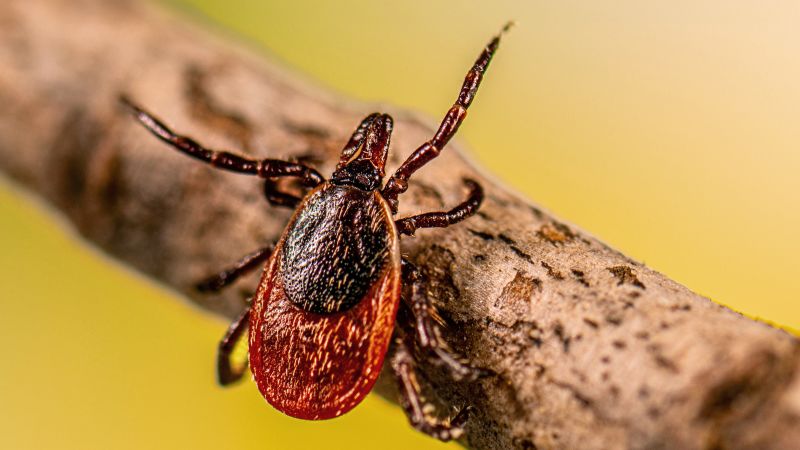
The longhorned tick, which emerged in the U.S. in 2017, presents a unique challenge. Female ticks can reproduce without males, generating thousands of offspring through a process akin to cloning. This reproductive strategy, though rare, has led to rapid population growth. Their saliva, meanwhile, can trigger severe allergies, making even simple pleasures like ice cream or burgers potentially hazardous.
New World Screwworms: A Climate-Driven Menace
Environmental factors play a critical role in the proliferation of New World screwworms. These pests, which thrive in warmer conditions, have expanded their range due to a combination of climate, weather patterns, and historical land use decisions dating back to colonial times. As a result, their presence is now more widespread, exacerbating public health concerns.
Escalating Health Risks
The spread of vector-borne diseases has accelerated dramatically. According to the CDC, reported cases of such illnesses doubled between 2005 and 2019. In the past 17 years, over 10 new pathogens have been identified, adding to the growing list of threats. “Not that I’m trying to cause unnecessary concerns, but I see this as a tip of the iceberg,” said Dr. Goudarz Molaei, a Connecticut tick expert. “Right now, they are mostly limited to coastal areas, but in a few years, as the warming pattern continues, these will move from coastal regions inland.”
Disease Trends and Expert Insights
Tickborne illnesses, in particular, are experiencing an explosive rise. Lyme disease remains the most prevalent, affecting as many as 476,000 people annually in the U.S. according to insurance claims data. However, the trajectory of these diseases extends beyond Lyme, with babesiosis and anaplasmosis also showing significant growth. “Lyme, babesiosis, and anaplasmosis are all dramatically on the rise, with no sign of slowing down,” noted Dr. Richard Ostfeld, a disease ecologist. “The spread is not just a regional issue—it’s a national one.”
Babesiosis, for example, can cause flu-like symptoms and red blood cell destruction, impacting thousands of Americans each year. Anaplasmosis, though less common, is equally severe, with potential complications including respiratory failure and organ failure. It affected approximately 7,000 individuals in 2023, according to the CDC. Meanwhile, the Powassan virus, which causes brain inflammation, has seen a steady increase, with 76 reported cases in 2025.
Dr. Erika Machtinger, an entomology professor at Penn State, highlighted that ticks are now found in regions where they were previously uncommon. “There definitely are ticks in places where people grew up not having to worry about them,” she said. Blacklegged ticks, which carry Lyme disease bacteria and other pathogens, have doubled their presence across counties since 1996, a trend that underscores the urgency of addressing this growing crisis.
Although climate change contributes to their spread, it is not the sole factor. Historical land use decisions and changing environmental conditions have collectively amplified their impact. As the CDC reports, emergency department visits for tick bites have reached a seven-year high this season, though they have not yet matched past peaks. The Northeast sees the highest numbers, but elevated cases are now a nationwide phenomenon.