
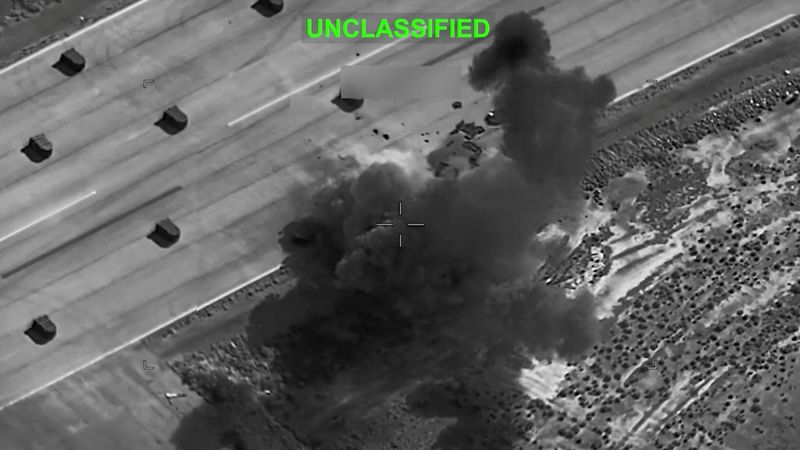
Iran War Escalates Amid US Weapon Stock Depletion, Heightening Concerns
Qwenews.com – As the Iran war heats up while US weapon stocks face significant depletion, military analysts are warning of a potential crisis in readiness for future conflicts. The ongoing tensions have pushed the US to rapidly expend critical reserves, raising questions about the ability to sustain prolonged operations. Defense experts emphasize that the current pace of strikes could strain the armed forces’ capacity, with some systems approaching exhaustion. This situation underscores the urgency for swift replenishment efforts to ensure the military remains equipped for potential escalations in the Indo-Pacific or other regions.
Weapon Stock Depletion and Operational Risks
The depletion of key weapon stockpiles has become a pressing issue, particularly in the context of the Iran war intensifying. Precision-guided missiles and air defense systems, which have been heavily utilized, are now showing signs of being overdrawn. According to a CSIS assessment, the Pentagon has already consumed at least half of its THAAD interceptors and nearly half of its Patriot systems. Tomahawk missiles, a staple of US military strategy, have also seen substantial use, with about 30% of stocks depleted by April.
Defense insiders confirm these figures, highlighting the strain on logistics and supply chains. The ceasefire, once a reprieve, has not slowed the rate of weapon consumption. With only 15 Tomahawk missiles and 20 Patriot interceptors replenished monthly, the timeline for recovery is expected to stretch over three to five years. This slow replenishment rate has forced the military to rely on annual peacetime programs, which may not be sufficient to meet current demands.
Strategic Implications for Future Conflicts
The current situation has broader implications beyond the Iran war. Analysts warn that high consumption rates could compromise plans for potential engagements with North Korea or China, emphasizing the need for a robust defense industrial base. Retired Army General John Ferrari notes that Congress has yet to allocate funds for missile replacements, leaving the military vulnerable to prolonged operations. Without timely replenishment, the risk of operational shortfalls could escalate, impacting the US’s ability to project power globally.
Operations like Epic Fury have demonstrated the rapid pace at which weapons are being used. The initial phase of the conflict saw the deployment of thousands of long-range missiles and interceptors, with the Pentagon’s inventory dwindling faster than anticipated. As the Iran war continues to heat up while US stockpiles dwindle, the military may face challenges in maintaining a consistent presence in multiple theaters. This could force strategic trade-offs, such as prioritizing certain operations over others.
Efforts to address the shortfall include the Defense Production Act, which has been invoked to expedite manufacturing. Deals with producers have been signed to increase output, and officials highlight the potential of American innovation to scale production. However, experts like Mark Cancian caution that while these measures offer some relief, they are not a long-term solution. The capacity to produce and replenish stocks requires time, and the current rate of consumption may outpace the ability to replenish.
International collaboration is also being explored to alleviate supply pressures. Trump’s announcement of a license for Ukraine during the NATO summit in Turkey aims to expand production capabilities. Yet, progress has been slow, with Japan taking three years to establish its Patriot factory and Germany still in the process of completing its production line since 2022. While some systems like the Precision Strike Missile and Joint Air-to-Surface Standoff Missile may reach pre-war levels by mid-2027, others remain in critical short supply.
As the Iran war heats up while US weapon stocks are depleted, the Pentagon is under increased pressure to secure additional funding. The White House has sought legislative approval for emergency allocations, but delays in Congress could further strain the military’s resources. Analysts stress that the situation reflects a systemic challenge, requiring coordinated efforts between policymakers and defense contractors to ensure readiness for future conflicts. Without action, the risk of operational gaps may become more pronounced, affecting the US’s strategic posture worldwide.