
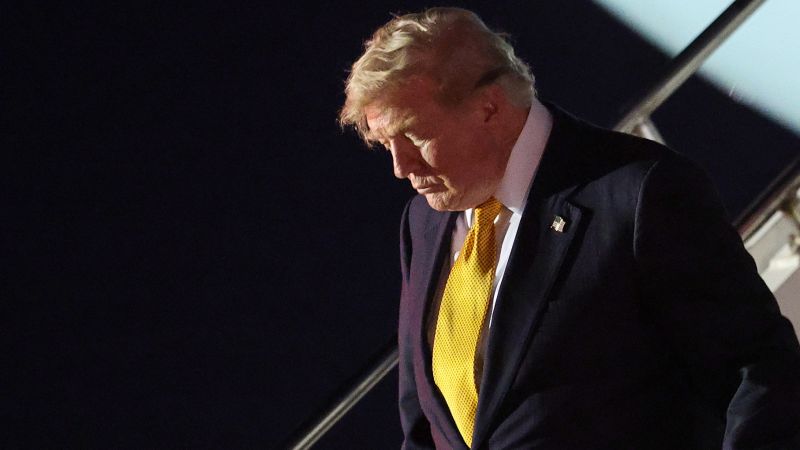
Israel Shared Intelligence on Iranian Threats to Target Trump, Sources Say
Qwenews.com – Israeli intelligence agencies reportedly provided the Trump administration with information suggesting Iranian hardliners sought to target the U.S. president, according to undisclosed sources. While the intel did not confirm a specific assassination plot, it emphasized the strategic ambitions of Tehran’s conservative factions to undermine Trump’s leadership. This revelation comes as Israeli Prime Minister Benjamin Netanyahu aims to leverage the information to shape U.S. policy on Iran, amid heightened tensions in the region.
Iranian Hardliners’ Strategic Ambitions
The intelligence shared by Israel underscores the persistent efforts of Iranian hardliners to escalate hostilities against the United States. Key figures within Iran’s government, including the newly appointed commander of the Islamic Revolutionary Guard Corps (IRGC), Ahmad Vahidi, are believed to be central to these plans. While the U.S. has not verified a concrete threat, the information highlights the regime’s broader goal of destabilizing American influence in the Middle East. The intel also points to internal divisions within Iran, with some leaders advocating for more aggressive actions against Trump’s administration.
Trump’s Response to Intelligence Reports
President Donald Trump initially dismissed the intelligence, stating that Iran had long been targeting him and that Israel’s report offered little new insight. “Israel came up with nothing,” he said during a press conference, adding that he had been Iran’s “number one” threat for years. This downplaying of the intel aligns with Trump’s tendency to question the urgency of security assessments, even as the war in the region intensified. Despite his remarks, the administration continued to prioritize diplomatic and military options to counter the perceived Iranian threat.
“The United States has stated to them, in no uncertain terms, that the Cease Fire is OVER!”
Security Measures and Aircraft Transition
In a bid to enhance security, Trump recently shifted from the Qatari-donated aircraft to a more traditional model, citing risks associated with the latest intelligence on Iranian intentions. This move reflects growing concerns about the vulnerability of U.S. leadership amid ongoing conflicts with Iran. While no immediate danger was identified, the change underscores the administration’s proactive approach to safeguarding Trump from potential threats. The transition also highlights the strategic importance of mobility in high-stakes diplomatic and military scenarios.
Netanyahu’s Influence on U.S. Policy
Benjamin Netanyahu, a staunch advocate for a hardline stance against Iran, has been actively working to sway Trump’s decision-making process. Israeli officials reportedly sought to frame the intelligence as a critical warning, urging the U.S. to reconsider its approach to negotiations with Tehran. This push for military action aligns with Netanyahu’s vision of weakening Iran through sustained pressure. However, some U.S. intelligence analysts have expressed skepticism, questioning whether the intel fully reflects Iran’s true intentions or is influenced by Israel’s geopolitical goals.
Despite these doubts, the U.S. and Israel maintain a strong alliance, with joint operations like Operation Midnight Hammer serving as a testament to their collaborative efforts. The intelligence exchange further reinforces this partnership, even as tensions rise between the two nations and Iran. Analysts suggest that while the intel may not guarantee an imminent attack, it plays a vital role in shaping the narrative of the conflict and influencing the trajectory of U.S. military and diplomatic strategies.
As the situation evolves, the focus remains on whether the intelligence shared by Israel will lead to decisive action against Iran or serve as a tool to bolster Netanyahu’s influence. The implications of this information could reshape the balance of power in the region, with both allies and adversaries watching closely for any signs of escalation. In the coming weeks, the Trump administration’s response to the intel will likely determine the next phase of the ongoing conflict.