
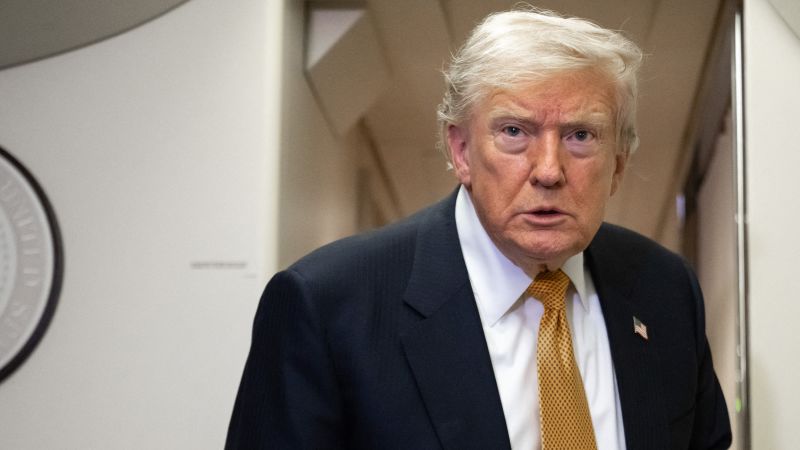
Israel Shared Intelligence with US on Iranian Plot to Assassinate Trump, Sources Say
Qwenews.com – Israeli intelligence agencies have reportedly shared critical information with the United States regarding a planned Iranian operation to assassinate President Donald Trump, according to multiple sources. The intelligence, which arrived this week, highlights growing tensions between Washington and Tehran as a recent ceasefire agreement faces mounting pressure. While American officials have not yet confirmed the details, they acknowledge that the data provided by Israel has significantly heightened concerns about the security of Trump’s life. The intelligence community is currently analyzing the threat, with some experts suggesting that the warning was specifically tailored to influence Trump’s position on potential military action against Iran. This development underscores the deepening collaboration between Israeli and U.S. intelligence networks in addressing shared security challenges.
Trump’s Comments Reflect Heightened Concerns
During a press briefing, Trump directly addressed the intelligence, stating that Iran had targeted him with a renewed focus. “They want to remove the U.S. leader — me,” he said, emphasizing his personal stakes in the situation. “I’m on every list. I saw this morning I’m on every single one. So far, I’ve been lucky, but maybe that won’t last.” His remarks align with a broader narrative of Iran’s hostility toward the U.S. and its allies, particularly after the assassination of Supreme Leader Ayatollah Ali Khamenei in an earlier attack. Trump’s administration has been vocal in its criticism of Iran’s leadership, labeling them as “evil and sick” and advocating for a more aggressive approach to counter their activities. This sentiment has fueled calls for immediate action to neutralize the threat.
“You’ve got to cut out cancer early. That’s the way I feel.”
Strained Ceasefire and Ongoing Diplomatic Efforts
The fragile ceasefire between the United States and Iran, which has already seen several breaches, now carries additional weight due to the latest intelligence. Despite the Israeli warning, American officials have not yet fully validated the details, leaving room for uncertainty about the plot’s credibility. However, the intelligence community is closely monitoring the situation, with analysts noting that multiple actors have discussed potential attacks on Trump without executing them. This has raised concerns about the likelihood of the threat materializing, especially given the recent escalation in tensions. Meanwhile, diplomatic efforts to salvage the agreement remain active, though they face challenges from both sides. The U.S. has expressed frustration with Iran’s compliance, while Tehran has accused Washington of double standards in its approach to regional conflicts.
As the ceasefire continues to deteriorate, military preparations are underway. On the USS Abraham Lincoln, crews have been actively readying fighter jets and conducting drills in anticipation of possible missions. These actions signal a readiness to act if the threat is confirmed, reflecting the high priority given to Trump’s safety. The commanding officer, Dan Keeler, warned that the situation demanded vigilance, stating, “We’re not just talking about a potential strike — we’re talking about a coordinated effort.” Such measures highlight the integration of intelligence and military strategy, with the U.S. and Israel working in tandem to address the immediate risk.
Netanyahu’s Role in Shaping U.S. Strategy
Israeli Prime Minister Benjamin Netanyahu, a key figure in the intelligence-sharing process, has long criticized Trump’s diplomatic approach toward Iran. His upcoming visit to Washington is expected to strengthen the alignment between Israel and the U.S. on security matters, particularly in light of the new threat. Netanyahu’s relationship with Trump has been marked by a mix of cooperation and friction, as he advocates for a tougher stance against Iran, while Trump has sought to balance military and diplomatic options. Intelligence officials suggest that Netanyahu’s reports are part of a broader effort to shape U.S. policy, ensuring that Israel’s strategic interests remain at the forefront of decision-making.
Historically, Israel has played a pivotal role in U.S. intelligence operations, particularly in the Middle East. This latest intelligence exchange reinforces that partnership, with sources indicating that Israel’s data has been instrumental in refining the U.S. response to the Iranian plot. The shared information includes specifics about the timing and logistics of the attack, which could be critical in preventing its execution. However, some within the U.S. intelligence community remain cautious, noting that while the threat is real, it is still under investigation. This careful assessment is essential to avoid overreacting to unverified information.
Broader Implications for U.S.-Iran Relations
The Iranian plot to assassinate Trump has reignited debates over the U.S. approach to Iran, with some analysts arguing that the threat underscores the need for a more proactive defense strategy. The intelligence shared by Israel has provided valuable insight into Iran’s intentions, potentially altering the trajectory of U.S. foreign policy in the region. Additionally, the incident has drawn attention to the role of regional allies in counterterrorism efforts, with Israel once again positioning itself as a critical partner to the United States. This collaboration may lead to increased military support for Israel, including the deployment of advanced weaponry or enhanced surveillance capabilities.
As the focus shifts from diplomacy to defense, the implications for the U.S.-Iran ceasefire remain uncertain. While Trump’s administration has not ruled out military action, the presence of Israeli intelligence has introduced a new layer of urgency to the situation. This has also raised questions about the long-term stability of the agreement and whether it can withstand further threats. The broader geopolitical landscape continues to evolve, with the U.S. and its allies closely monitoring Iran’s movements and preparing for potential next steps. The assassination plot serves as a stark reminder of the high stakes involved in the ongoing conflict between these nations.