
Quills and Conflict: How Risk in the Strait of Hormuz is Managed
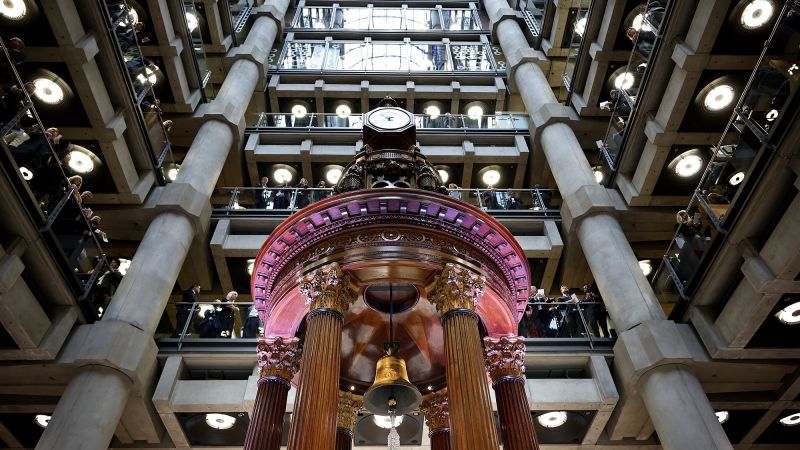
Qwenews.com – Quills and conflict have long been intertwined in the world of maritime insurance, with Lloyd’s of London serving as a prime example. Nestled in the heart of London, this historic institution maintains a vast archive of shipwrecks and losses, recorded in leather-bound tomes. These documents, painstakingly written with quills, date back centuries and include entries such as the Titanic’s tragic sinking in 1912. Despite the digital age, Lloyd’s staff still rely on traditional quill methods, a practice that symbolizes both the institution’s legacy and its enduring role in managing global maritime risks.
Strait of Hormuz: A Crucial Lifeline
The Strait of Hormuz, a narrow waterway through which a significant portion of the world’s oil flows, has become a focal point of geopolitical tension. In early 2026, the escalation of conflict between Tehran and the United States-Israel alliance triggered immediate concerns for global trade. The strait’s strategic importance means that any disruption there directly impacts energy markets and shipping routes. Lloyd’s of London, renowned for its expertise in marine insurance, has been at the forefront of adapting to these volatile conditions, with underwriters recalibrating premiums and coverage terms in real time.
As the situation unfolded, the insurance market saw a dramatic shift. Ship owners faced soaring costs, with rates for war-risk policies climbing to as high as 10% of a vessel’s value. For instance, a $100 million tanker could see a $10 million premium added overnight. This spike was not just a financial adjustment but a reflection of the heightened danger, as mines, missile strikes, and naval confrontations became more frequent. Lloyd’s, with its reputation for agility, quickly responded by offering flexible options, including “no-claims bonuses” that reward owners for safe passage through the strait.
Adapting to Crisis
David Smith, a senior underwriter at London-based McGill and Partners, emphasized the rapid pace of change. “Recent events in Hormuz have rewritten the risk equation,” he told CNN. The usual 24-48 hour window for policy pricing has been compressed to as little as six hours, leaving insurers to act with unprecedented urgency. This shift has also forced ship owners to seek coverage earlier, sometimes requesting insurance just hours before departure. The International Maritime Organization reported that 14 seafarers have been killed since the conflict began, underscoring the human cost of these geopolitical maneuvers.
“The speed at which risk assessments have evolved is remarkable,” said Smith. “We’re now dealing with a scenario where the entire insurance market must pivot within minutes of new developments.”
In response, Lloyd’s has expanded its partnerships with regional insurers and integrated real-time data feeds to monitor threats. This proactive approach ensures that policies reflect the most current risks, whether from military strikes or unpredictable weather patterns. However, the market’s ability to adapt is not without challenges, as some vessels face delays in securing coverage due to the sheer volume of claims and the need for swift decision-making.
As the conflict continues, the long-term implications for the insurance sector remain uncertain. While Lloyd’s anticipates manageable losses, major risks such as sustained blockades or prolonged strikes could disrupt the market significantly. Over 50 ships have already been attacked in the strait this year, many insured through London’s market. The economic toll is also evident, with around 1,150 cargo vessels, valued at $125 billion, reportedly stranded in the Persian Gulf. Should the situation persist, these ships may face extended delays, increased maintenance costs, or even the threat of further damage, highlighting the delicate balance between risk and reward in this high-stakes environment.