
Saudi Aramco Helicopter Crash Claims 14 Lives
Qwenews.com – A tragic helicopter crash near Ras Tanura, a pivotal oil facility on Saudi Arabia’s eastern coastline, has resulted in the deaths of 14 Saudi nationals, according to state news reports. The incident occurred on Sunday, with the crash site located approximately west of the Strait of Hormuz, a critical chokepoint for global oil transportation. Preliminary investigations suggest the accident was caused by mechanical failure, though the exact circumstances remain under review. Saudi Aramco, the nation’s state-owned oil company, confirmed the incident and is working closely with authorities to determine the cause.
Details of the Incident and Operational Context
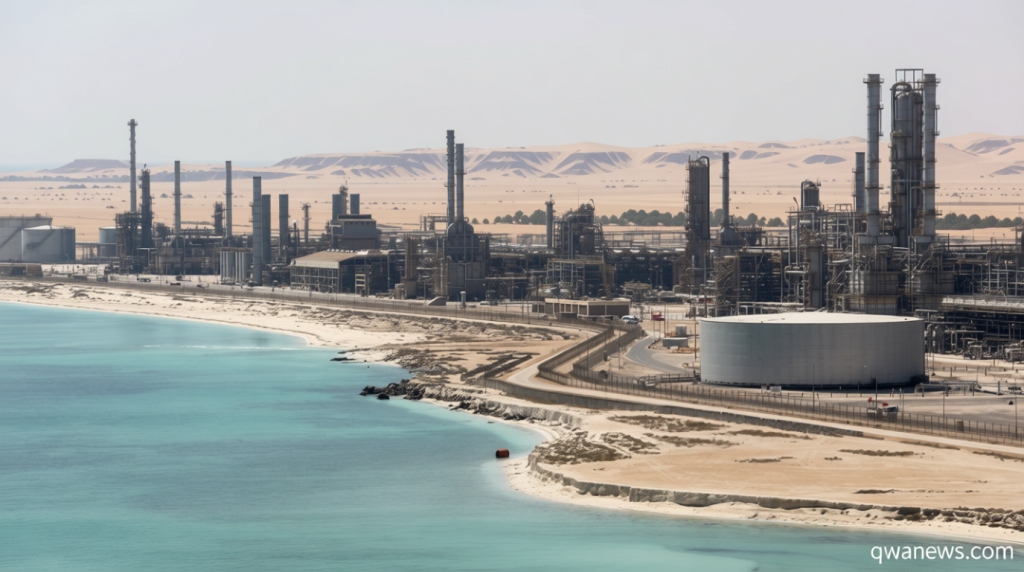
The crash took place at 6 a.m. local time (0300 GMT), as the Ras Tanura terminal was in the early stages of resuming full operations. The terminal had been temporarily halted for four months due to maintenance and safety assessments, which were part of broader efforts to streamline production processes. The helicopter, which was reportedly part of the company’s logistics fleet, was carrying key personnel when it went down. While no survivors were initially reported, ongoing efforts to locate and rescue any remaining individuals continue. The incident has raised concerns about the safety of helicopter operations in the region, particularly as Saudi Aramco has been under pressure to maintain high production levels amid rising global energy demand. Ras Tanura, one of the largest oil loading terminals in the world, plays a crucial role in the company’s daily output of over 12 million barrels of crude oil. Its proximity to the Strait of Hormuz makes it a strategic asset, and the crash has added a layer of urgency to the company’s commitment to operational security.
Investigation and Safety Measures
Authorities have launched a thorough investigation into the crash, with officials stating that both technical and human factors are being examined. The Saudi Civil Aviation Authority and the country’s Ministry of Energy are collaborating to analyze the helicopter’s black box data, maintenance records, and pilot reports. The crash has also prompted a review of safety protocols at other Aramco facilities, particularly those reliant on aerial transport for personnel and supplies. This incident highlights the challenges of operating in high-risk environments, where weather conditions, mechanical stress, and logistical demands can converge. The helicopter’s role in transporting staff between offshore oil platforms and the mainland underscores the reliance on air travel in the oil sector. While the crash is the latest in a series of aviation-related incidents, it has been described as a “wake-up call” for enhanced safety measures. Officials emphasized that the investigation is critical to preventing future tragedies and ensuring the resilience of Saudi Arabia’s energy infrastructure.
Reactions and Implications
Saudi Aramco’s leadership has expressed deep sorrow over the loss of life, with a statement from the company’s CEO acknowledging the “shock and grief” felt by employees and families. The crash has also drawn attention from international energy markets, with some analysts noting the potential impact on regional oil supply chains. While the terminal’s operations are expected to resume with minimal disruption, the event has sparked discussions about the balance between efficiency and safety in the industry. The incident occurs against a backdrop of heightened geopolitical tensions, as Saudi Arabia and other Gulf nations strive to increase oil production to meet global demand. The crash has been seen as a reminder of the risks inherent in the energy sector, especially during periods of rapid expansion. Additionally, the timing of the accident—just days before a major energy summit—has added to the scrutiny surrounding Saudi Aramco’s safety record and operational readiness.
Global Response and Future Outlook
The international community has extended condolences to the victims and their families, with several energy industry leaders expressing solidarity with Saudi Arabia. The United Nations and the International Maritime Organization have been briefed on the incident, highlighting its significance in the context of global energy security. Meanwhile, Saudi Aramco has pledged to conduct a comprehensive safety audit, ensuring that all potential vulnerabilities are addressed. Looking ahead, the company is expected to implement additional training programs for pilots and crew, as well as upgrade its fleet with more advanced safety technology. The crash has also prompted a reassessment of risk management strategies for other offshore operations, particularly those in high-traffic areas like the Strait of Hormuz. While the immediate cause of the accident remains under investigation, the event has reinforced the need for vigilance in maintaining the safety of critical energy infrastructure.
The Saudi Aramco helicopter crash kills 14 has become a focal point for discussions about aviation safety in the oil and gas industry. As the world’s largest oil exporter, Saudi Arabia’s energy operations are vital to global markets, and any disruption to its production capabilities can have far-reaching consequences. The incident has also raised questions about the role of helicopters in supporting energy infrastructure, with experts calling for stricter oversight of aerial transport in industrial zones. In the wake of the crash, Saudi Aramco has pledged to work with international partners to enhance its safety protocols. The company’s commitment to transparency and accountability is expected to play a key role in rebuilding trust with stakeholders. As the investigation continues, the focus remains on understanding the root causes of the disaster and implementing measures to prevent similar incidents in the future. The event serves as a poignant reminder of the human cost of energy production and the importance of safeguarding every aspect of the supply chain.