
Oldest Plague Evidence Shows Deadly Impact 5,500 Years Ago
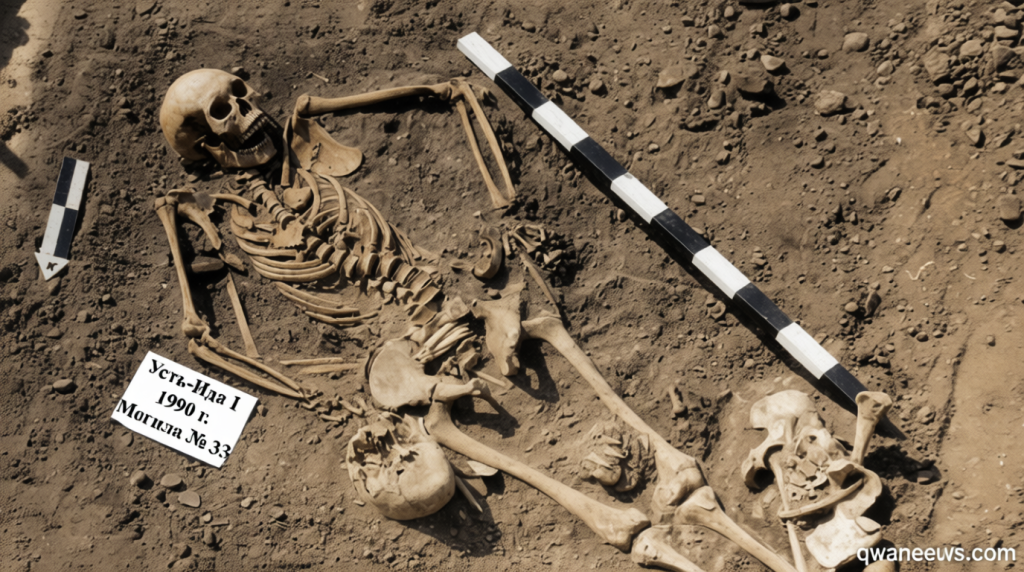
Qwenews.com – The oldest known evidence of plague has been uncovered in a groundbreaking study, revealing the disease’s devastating effects on ancient human populations over 5,500 years ago. Researchers analyzed DNA from human remains in southeast Siberia, identifying plague strains that predate previous estimates by nearly 1,700 years. This discovery, published in the journal *Nature*, challenges existing assumptions about the timeline of *Yersinia pestis* and its role in shaping human history. The bacterium, known to cause the Black Death and other pandemics, may have been more lethal and widespread in prehistoric times than previously believed.
Revolutionizing Understanding of Ancient Pandemics
Traditionally, the earliest confirmed cases of plague were linked to 3,800-year-old genetic strains. However, the recent findings from four cemeteries near Lake Baikal suggest that the oldest known evidence of plague dates back to at least 5,500 years ago. These ancient genomes, extracted from 46 individuals, show a 39% infection rate—remarkably high for a population that was otherwise healthy. This indicates that *Yersinia pestis* could have thrived in small, nomadic communities, spreading rapidly through close contact and resource sharing.
Archaeological evidence further supports this theory. The cemeteries, strategically located near fishing waters and other natural resources, were used for communal burials, implying a deep cultural connection to the site. The presence of multiple generations buried together suggests that the disease not only affected adults but also children and adolescents. This challenges the long-held belief that early plague outbreaks were limited to older individuals, highlighting the disease’s indiscriminate nature in ancient societies.
Implications for Disease Evolution and Human Survival
The oldest known evidence of plague reveals a critical chapter in the evolution of *Yersinia pestis*. Researchers found genetic markers in the ancient strains that are now associated with modern bubonic plague, indicating a long history of adaptation. These findings suggest the pathogen may have evolved to become more virulent over time, or that its transmission dynamics were already complex in prehistoric contexts. The study integrates radiocarbon dating, genetic sequencing, and archaeological analysis to create a comprehensive picture of how the disease impacted these communities.
According to Dr. Ruairidh Macleod, a researcher at the University of Oxford, the discovery underscores the adaptability of infectious diseases in human populations. “Hunter-gatherers are constantly moving through their environment,” he explained. “It was thought that diseases couldn’t spread widely in such groups because of their nomadic lifestyle. Yet these remains show that the oldest known evidence of plague was present in a tightly-knit community, altering our understanding of how pathogens like *Yersinia pestis* could have evolved and spread in ancient times.”
Dr. Ian Light-Maka, a postdoctoral associate at the Max Planck Institute, emphasized the significance of the study’s results. “The oldest known evidence of plague at 39% infection rate is astoundingly high,” he said. “This could rewrite our understanding of how early human societies dealt with infectious diseases. It suggests that plague may have been a major force in shaping population dynamics long before recorded history.”