
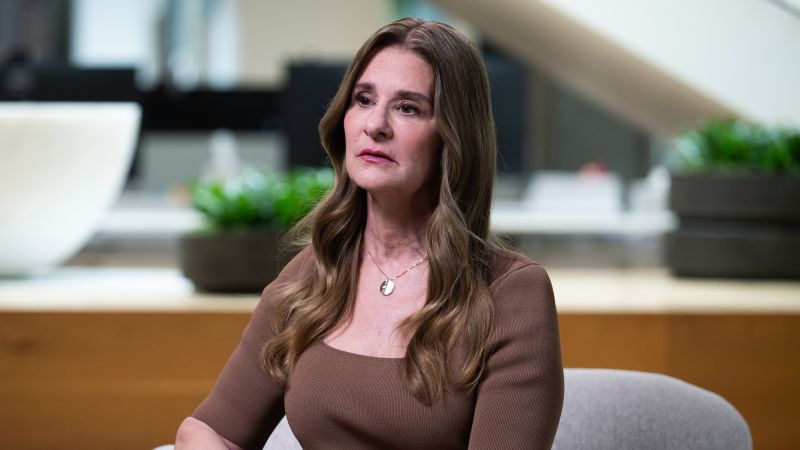
Melinda French Gates Shares Visceral Reaction to Epstein’s Crimes in New Interview
Qwenews.com – Melinda French Gates, wife of Microsoft co-founder Bill Gates, has voiced a “visceral reaction” to Jeffrey Epstein’s alleged crimes during a recent interview, shedding light on her deeply personal experiences with the late sex offender. In the conversation, she described how a single encounter with Epstein left her emotionally shaken, even leading to nightmares. Her candid remarks underscore the lasting impact of Epstein’s actions and the emotional toll they’ve had on her, with her nearly ending the interview before concluding it.
Reflections on Epstein’s Behavior and Influence
In the interview, French Gates emphasized her “visceral reaction” to Epstein’s behavior, calling him an “abhorrent human being” who exploited his connections to gain influence. She recounted how her initial impressions of Epstein were stark, noting that she felt an immediate sense of dread upon learning about his crimes. “Have you ever been around someone you just knew was evil?” she asked, a question that encapsulated her emotional state. Her struggle to process the conversation was evident, as she admitted, “this is a hard topic for me,” and even expressed frustration with the questions.
“Have you ever in your life been around somebody that you just know is evil?”
“I’m done. I can’t do any more questions.”
Epstein’s Legacy and the Role of the Justice System
French Gates’ interview came after newly released documents highlighted Epstein’s deep ties to prominent figures, including Bill Gates. The revelations sparked renewed public scrutiny, with French Gates criticizing the justice system for failing Epstein’s victims. “The justice system didn’t do its job. It did not do its job. Full stop,” she asserted, reinforcing her belief that Epstein’s influence was protected by institutional complacency. Her words added a personal dimension to the ongoing debate about accountability and the legacy of Epstein’s scandal.
Meanwhile, Bill Gates had previously testified before Congress about his relationship with Epstein, which began in 2011. His testimony, paired with French Gates’ emotional account, painted a clearer picture of Epstein’s tactics and how he leveraged personal information to maintain his connections. French Gates mentioned that Epstein had used details about her and Bill Gates’ personal lives to rekindle their relationship, further emphasizing the extent of his manipulative behavior.
The Emotional Weight of Recalling Epstein’s Actions
French Gates’ interview revealed the profound emotional impact of Epstein’s crimes, particularly on her. She described her visceral reaction to the memories of their interactions, which were marked by Epstein’s charm and calculated approach. “I can still feel the weight of it,” she said, highlighting how the past continues to haunt her. Her candidness added a human element to the legal and political discourse surrounding Epstein, prompting listeners to reflect on the personal stories behind the headlines.
“Epstein was working to use information about my infidelities — in addition to many lies that he layered on top — to pressure me to re-engage with him.”
The interview also touched on the broader implications of Epstein’s network, with French Gates suggesting that his ability to manipulate influential individuals like Bill Gates was a key factor in his continued operations. She noted how Epstein’s connections allowed him to operate with relative ease, often shielding his actions from public scrutiny. Her visceral reaction to these revelations served as a powerful reminder of the personal cost of Epstein’s crimes.
Public Response and the Ripple Effect of the Interview
The interview has since generated significant public discussion, with many highlighting the contrast between Epstein’s public persona and his private actions. French Gates’ emotional candor has resonated with listeners, amplifying the urgency for accountability and reform. Her visceral reaction to the topic has also sparked renewed interest in the details of Epstein’s case, particularly his role in the global health initiatives he promised to fund. As the conversation unfolded, it became clear that her personal experience with Epstein is a critical part of the narrative surrounding his legacy.
French Gates’ account, combined with Bill Gates’ legislative testimony, provides a comprehensive view of how Epstein’s influence extended beyond his personal relationships. The two perspectives together have deepened the public’s understanding of the complexities involved in Epstein’s case, from his manipulation of powerful individuals to the emotional toll on his victims. Her visceral reaction to the past ties to Epstein underscores the importance of personal stories in shaping the broader conversation about justice and accountability.
“The justice system failed the victims, and that’s something I can’t let go of.”